Top Ecommerce Web Designers for High-Converting Online Stores
Ecommerce success begins with a powerful website that attracts customers and drives sales. Skilled ecommerce web designers help businesses build professional, fast, and user-friendly online stores. They combine creativity with advanced technology to create websites that boost conversions. With the growing demand for digital shopping, hiring expert ecommerce designers has become essential for every brand.
Why Ecommerce Web Designers Matter
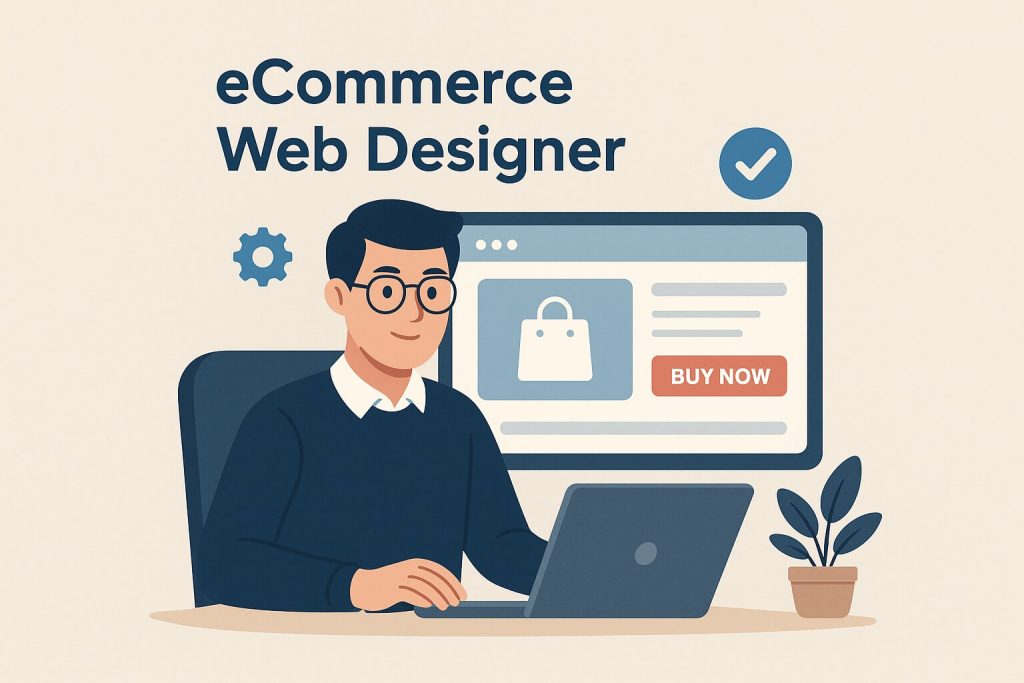
Ecommerce web designers shape the entire shopping experience. They create layouts that guide visitors smoothly from browsing to checkout. Designers also focus on mobile responsiveness, which improves accessibility for all shoppers. Since first impressions matter, a well-designed ecommerce website builds trust quickly. It also helps businesses stand out in a competitive digital market.
Key Skills of Professional Ecommerce Designers
Skilled ecommerce designers understand user experience and brand identity. They create intuitive navigation to reduce bounce rates. They also optimize product pages with clean visuals and bold CTAs. Many designers use platforms like Shopify, WooCommerce, and Magento. Their technical knowledge helps businesses manage inventory, payments, and shipping easily. Designers also ensure consistent branding across the store.
Benefits of Hiring Expert Ecommerce Designers
Hiring expert ecommerce designers delivers long-term value. They build secure websites with reliable functionality. They also improve site performance by optimizing speed and structure. Enhanced user experience increases conversion rates. Designers help create visually appealing stores that match the brand story. They also integrate marketing tools that support SEO, email campaigns, and social media growth.
Essential Features of Modern Ecommerce Websites
Modern ecommerce websites need several key features to succeed. A responsive layout improves customer engagement across devices. Fast-loading pages increase retention and reduce cart abandonment. High-quality product images help customers make confident decisions. Secure payment gateways build trust and ensure safe transactions. Clear navigation and well-organized product categories enhance shopping convenience. Designers also add search filters, chat support, and customer reviews for better usability.
Ecommerce Platforms Used by Professional Designers
Professional designers choose platforms based on client needs. Shopify is a popular option for its simplicity and powerful apps. WooCommerce offers flexibility for WordPress users. Magento is ideal for large stores with advanced requirements. BigCommerce provides scalable solutions with built-in tools. Each platform supports multi-channel selling, which expands business reach. Designers also customize themes to align with brand identity.
How Ecommerce Designers Improve Conversion Rates
Ecommerce designers use proven strategies to increase conversions. They create clear product pages with detailed descriptions. They select contrasting colors for call-to-action buttons. They design simple checkout processes to reduce friction. Designers also optimize images for faster loading. They implement user-friendly layouts that keep customers engaged. Strong visual hierarchy guides buyers to complete their purchases.
Why Businesses Need Custom Ecommerce Design
Custom ecommerce design gives businesses full control over their store’s look and feel. It creates a unique brand experience that customers remember. Custom layouts help showcase products more effectively. Designers also tailor features to match business goals. With custom design, businesses can scale their website as they grow. Personalized websites also improve SEO performance and online visibility.
Choosing the Right Ecommerce Web Designer
Choosing the right designer requires careful evaluation. Look for designers with strong portfolios and positive reviews. Consider their experience in your industry. Ask about their design process and communication style. Check if they understand your brand vision and target audience. Ensure they offer post-launch support for updates and maintenance. The right designer will deliver a site that meets both short-term and long-term goals.